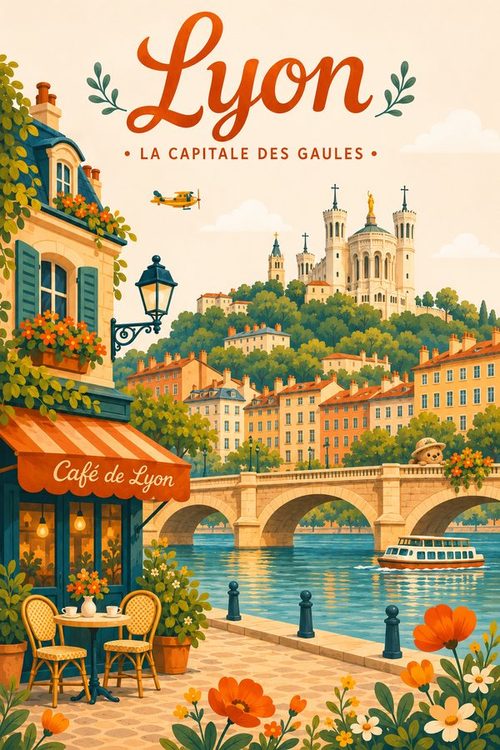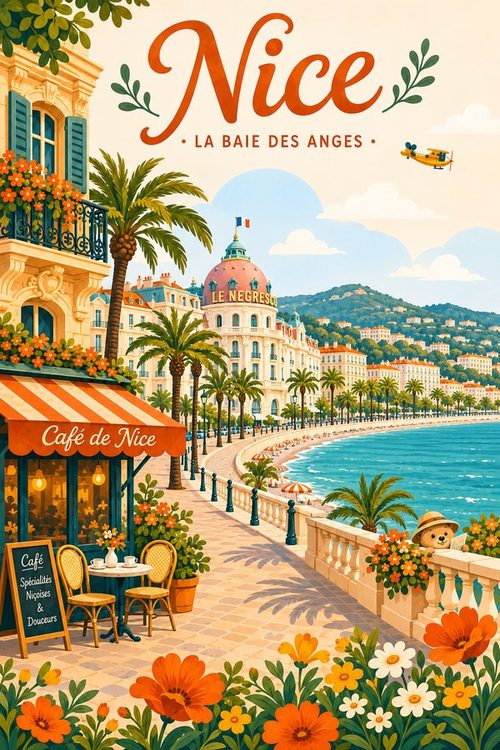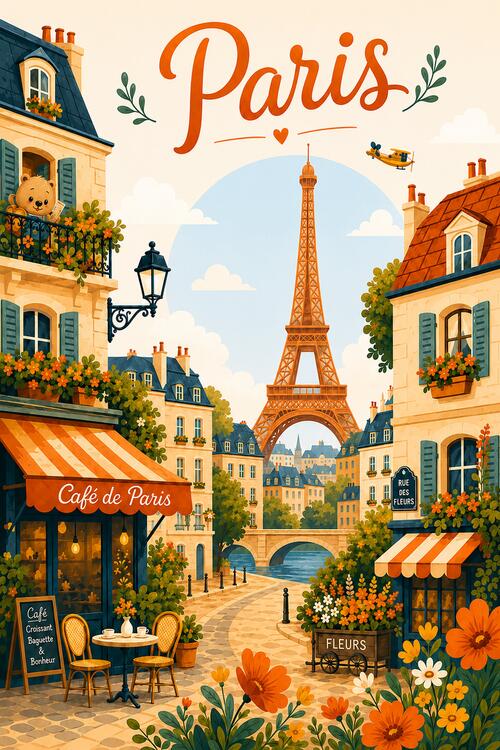
Art is the quickest way to give a child's room personality, and in 2026's calmer, earthier rooms it does even more of the work. Gallery walls, name posters and illustrated prints are back in children's rooms everywhere. Here's how to get them right.
1. Hang it at their height, not yours
The usual rule for adults is to centre art at about 145–150 cm (57–59 in) from the floor. In a child's room, bring it down:
| Age | Centre of the art | Why |
|---|---|---|
| Baby (play mat / change area) | Low, near where baby lies or is changed (never above the cot) | Something to look at during tummy time and changes |
| Toddler (1–3) | About 60–90 cm (24–35 in) | At standing eye level, so they can point and talk about it |
| Child (4–8) | About 100–120 cm (39–47 in) | Eye level while standing or sitting at a desk |
| Older child | Approaching adult height | The room starts to become theirs to curate |
2. Safety first
- Nothing above the cot or the change table.
- Acrylic glazing (perspex or plexiglass) instead of glass, and light frames such as wood or aluminium.
- Fix each frame with two hooks or strong adhesive strips so it can't swing or be pulled off.
- For toddlers, art within reach can go unframed: posters hung with wooden magnetic hangers are light and safe.
More on this in our safe, calm nursery guide.
3. Pick a story, not just a colour
It's tempting to choose art to match the curtains. But art that tells a story (a place, an animal, a character, a journey) holds a child's attention far longer. A few ideas that work well:
- Places: city posters, maps and landscapes spark questions about the world ("where's that?", "can we go?").
- A recurring character across several posters creates a series children love to collect and follow.
- Hidden details: illustrations with something to find turn the wall into a game, the same idea as classic "seek and find" books.
- Their name: name posters are a favourite, and lovely for early letter recognition.

Vivi's tip: every Vivi poster hides our little wombat somewhere: on a balcony in Paris, at a window in Strasbourg. Try the Find Vivi! game to see how children play with them.
4. Build a gallery wall that grows
- Start with three pieces: one larger anchor poster and two smaller ones.
- Keep one thread running through them, such as the same frame colour, a shared palette or the same illustrator.
- Leave room to grow. Add a print for a birthday, a trip or a new interest.
- Mix in their own work. A frame or two for your child's drawings, swapped regularly, makes the wall theirs.
- Lay it out on the floor first, or tape paper templates to the wall, before drilling.
Spacing: keep about 5–8 cm (2–3 in) between frames for a tidy gallery wall. On a picture ledge, overlap frames slightly for a relaxed look that's easy to rearrange.
5. Frames and formats
- Standard sizes differ by country. In Europe and Australia, A4, A3, 20×30 cm and 30×40 cm are the most common; in the US, look for 8×10, 11×14 and 12×16 in. Ready-made frames are easiest to find in your local sizes, so check before you buy a print.
- Natural oak or white frames suit the 2026 earthy palette; a single coloured frame (terracotta, sage, jade) is an easy way to add a trend colour.
- Picture ledges let you swap art without new holes, which is great for renters.
6. Let the art grow up with them
The posters that last are the ones with layers: a toddler points at the boat, a five-year-old searches for the hidden character, an eight-year-old asks where Nice is on the map. Choose art that can be enjoyed differently at each age, and the wall won't need replacing every time your child has a birthday.