Trend reports for children's rooms rarely agree on everything. But read enough of them (Pinterest's 2026 forecast, nursery studios in Amsterdam, London and Melbourne, interior blogs from Paris to New York) and a clear picture appears. Rooms are getting calmer, warmer and more personal, with the stark white minimalism of recent years giving way to texture and colour.
1. Soft, earthy colours lead the way
The most-cited nursery colours of 2026 are quiet ones: sage green, warm greige, mushroom, cocoa, clay blush and off-white. Baby blue and powder pink haven't vanished, but they're now used as accents on cushions, mobiles and bedding rather than on every wall.
For brighter energy, Pinterest's 2026 palette adds Cool Blue, Jade, Wasabi, Persimmon and Plum Noir. These work best in small doses: a painted shelf, a lampshade, a poster frame.
How to use it: pick one calm base colour for the walls, one accent wall at most in a slightly deeper tone, then bring in one or two "trend" colours through things that are easy to swap (textiles, frames, a rug). When the trend moves on, the room still works.
2. Texture over minimalism
The biggest shift is a move away from stark, ultra-clean rooms towards softness you can touch: bouclé armchairs, crumpled linen curtains, cotton gauze bedding, woven baskets. On the walls, limewash and plaster-effect paint, wainscoting and panelling add depth without busy patterns.
Natural materials are central: light solid wood (beech, oak, pine), rattan and organic cotton and linen. Many parents pair this with certified textiles (such as OEKO-TEX or GOTS) and low-VOC, water-based paints, which is good for the planet and for indoor air (see our safe nursery guide).
3. Japandi and Nordic calm
The Japanese-Scandinavian mix known as Japandi remains one of the most popular nursery styles worldwide: low furniture, uncluttered surfaces, wood and linen, a muted palette. Bright, cartoon-heavy walls give way to natural textures and gentle illustrated art, leaving the room calm enough for sleep, with personality coming from a few well-chosen pieces.
4. Gentle playfulness: stripes, circus and nostalgia
Pinterest's 2026 predictions include "FunHaus", a circus-inspired look with wavy stripes, scalloped edges and playful details, and "Throwback Kid", which brings back retro toys, vintage cars and childhood nostalgia. In practice it shows up as graphic retro patterns (stripes, polka dots, chevrons, terrazzo) and small hits of primary red, yellow and blue on storage boxes rather than whole walls.
The trick designers recommend is restraint: one playful element (a striped canopy, a scalloped shelf, a vintage car print) surrounded by plenty of calm space.
5. Walls that tell a story
Panoramic wallpapers (stylised jungles, forests, oceans, starry skies) are everywhere, often on one feature wall where an enveloping scene feels cocooning. Gallery walls are also back: illustrated prints, a name poster, a few family photos. Our guide on styling art in a child's room covers how to hang them safely and at the right height.

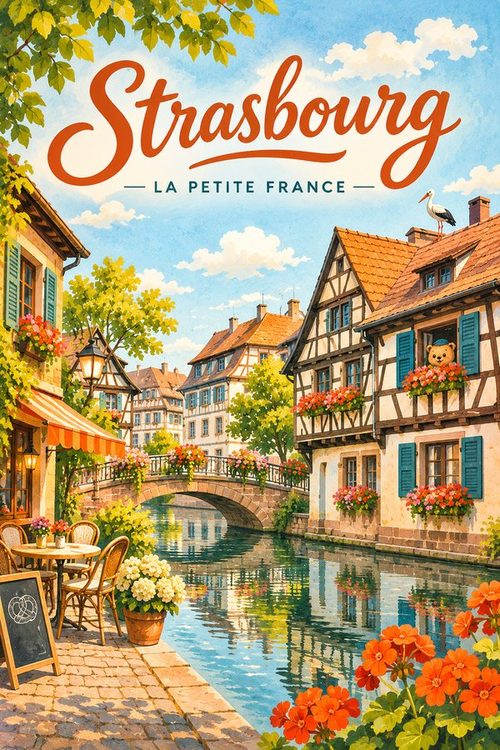
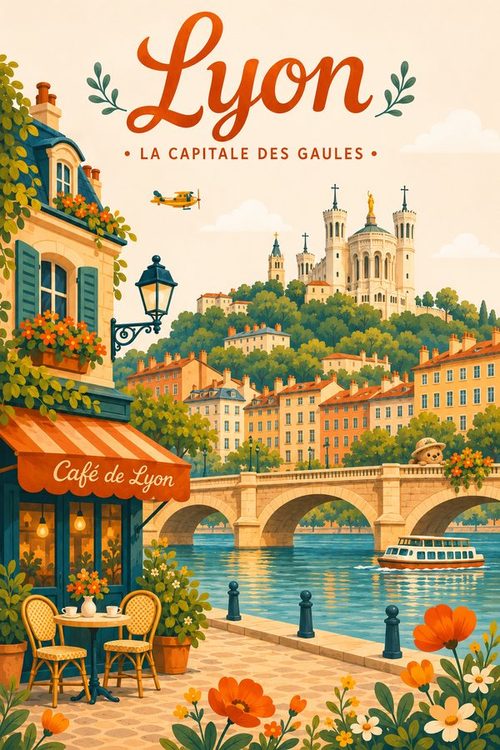
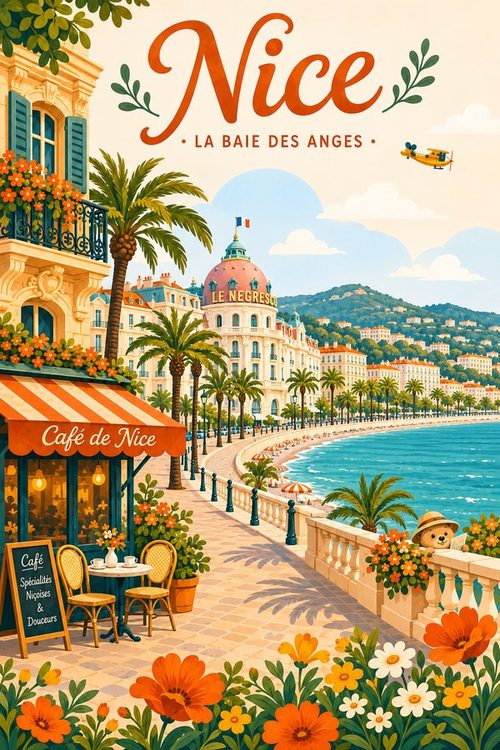
Vivi's tip: art that invites a game lasts longer than art that just matches the curtains. A poster with something to find, like a little wombat hiding on a balcony, keeps children looking for years.
6. Furniture that grows with your child
The most practical trend is also the most sustainable: convertible furniture. Cots that become toddler and junior beds, change tables whose tops come off to leave an ordinary chest of drawers, modular shelving that can be reconfigured. Fewer purchases, less waste, and a room that adapts from birth to around age ten.
7. Rooms organised in micro-zones
Rather than one big play area, rooms are increasingly divided into small, clearly defined zones: a quiet reading corner, a play or pretend area, a creative table, and a calm sleep zone. Montessori ideas (low shelves, toys within reach, a floor-level mirror for babies) remain hugely popular. In smaller homes, zones are defined by a rug, a canopy or a change of wall colour rather than by furniture. We go into this in small rooms, big adventures.
8. Lighting in layers
Lighting is now a design feature in its own right: dimmable wall lights, warm-toned night lights, discreet LED garlands out of reach, and light linen curtains that filter daylight paired with blackout blinds for naps. Aim for warm light (around 2700K) in the evening to help the wind-down routine.
The short version
- A calm, earthy base: sage, greige, clay or off-white
- Trend colours in small, swappable doses
- Natural materials and lots of texture
- One playful or nostalgic element, not ten
- Furniture that converts as your child grows
- Zones for sleep, play, reading and making
- Art with a story your child can engage with